Skip to content

Study Medicine in India

India has one of the world's largest medical education systems, regulated by the National Medical Commission. Admission routes for international students depend on nationality and current regulations.

Duration
MBBS: 5.5 years including a 1-year compulsory rotating internship
Instruction
English
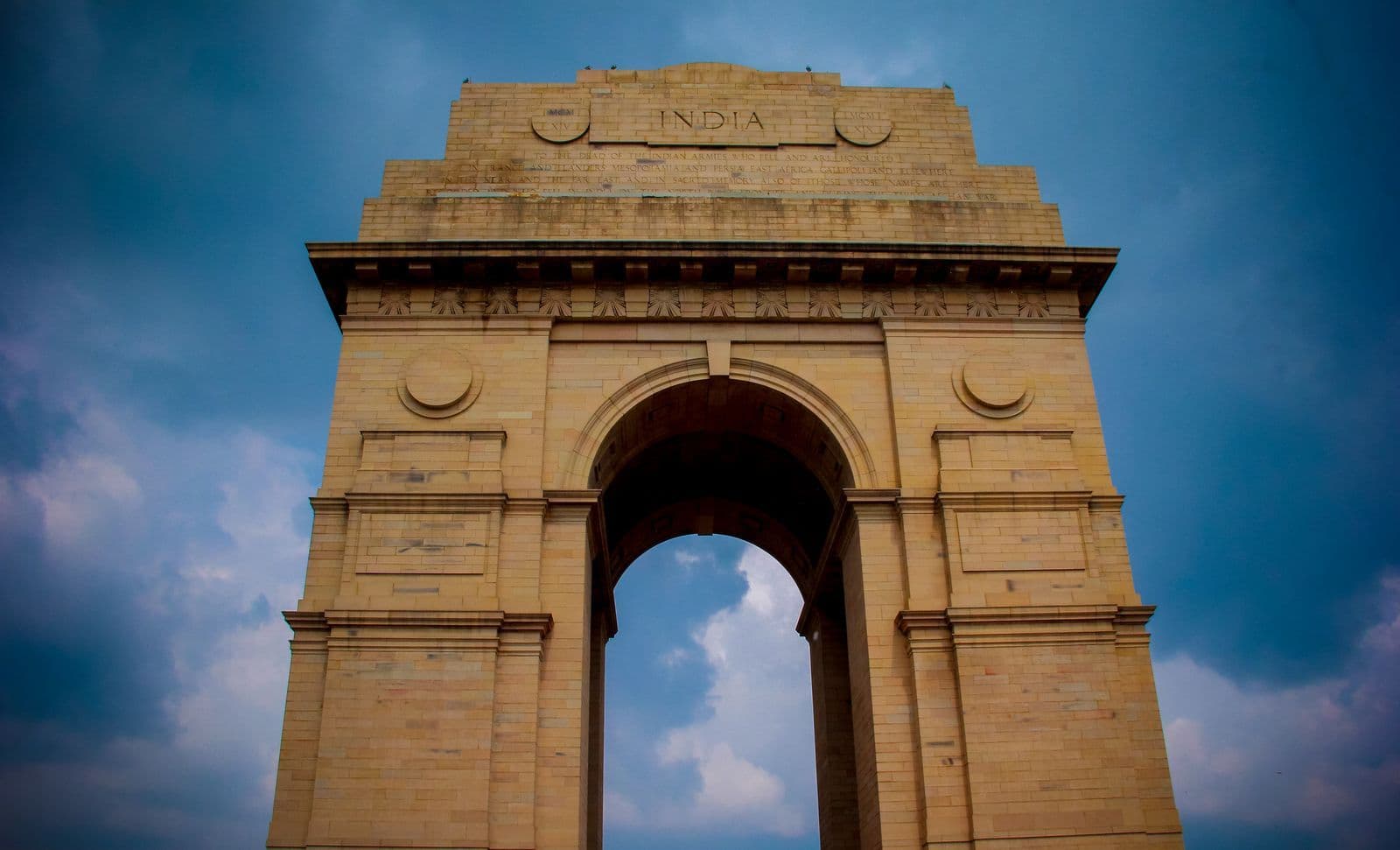
India Gate in New Delhi, IndiaNew Delhi
Cerebellum Education Network emblem

Medical education in India

Medical education in India is regulated by the National Medical Commission (NMC). The MBBS course includes a compulsory rotating internship and is taught in English.

Admission routes for foreign nationals, NRIs and OCI cardholders differ, and entrance examination requirements (such as NEET-UG) apply to many applicants. Rules are updated by the authorities, so we confirm the route that applies to your nationality before you apply.

Available medical programmes

  • MBBS / General Medicine

    The primary medical degree for students who want to become doctors, taught in English abroad.

    Learn more

  • Dentistry (BDS / DDS)

    Professional dental degrees combining biomedical science with hands-on clinical practice.

    Learn more
  • Nursing

    Degree programmes preparing students for professional nursing practice and patient care.

    Learn more
  • Pharmacy

    Study medicines, pharmacology and pharmaceutical practice for careers in healthcare and industry.

    Learn more

Eligibility, academics and language

General eligibility

  • Higher secondary qualification with Physics, Chemistry, Biology and English
  • Entrance examination requirements (for example NEET-UG) as applicable to your nationality and admission route
  • Minimum age requirements set by the regulator

Academic qualifications

  • Minimum aggregate marks in science subjects as specified by the regulator
  • Seat availability for international students varies by institution and admission route

Language requirements

  • Teaching is in English
  • Local language skills help with patient communication in clinical years

Requirements are set by each university and can change between intakes. Your home regulator may add its own conditions.

How admission to India works

  1. 01Initial Counselling
  2. 02Academic Profile Assessment
  3. 03Destination Selection
  4. 04University Selection
  5. 05Application Submission
  6. 06Admission Confirmation
  7. 07Visa Preparation
  8. 08Pre-Departure Guidance

Specific to India

  • International admission routes are specific to nationality, and we confirm the current route before applying
  • Counselling and seat allocation follow official schedules

Tuition fees and living expenses

Costs vary by university, city and intake.

Rather than publish estimates that may be out of date, we share current, university-confirmed tuition and living-cost figures during counselling, including hostel, insurance, visa and travel.

Request current figures for India
NP

Before you apply: rules for Nepali students

  1. 1Before going abroad for a medical degree, obtain an Eligibility Letter (Eligibility Certificate) from Nepal's Medical Education Commission (MEC). MEC states it must be taken before you go.
  2. 2Eligibility is generally linked to passing MEC's bachelor-level entrance exam, MECEE-BL. The MEC FAQ describes limited exceptions. Check the current rules before relying on one.
  3. 3MEC does not issue the letter for programmes that cannot be registered with Nepal's professional council, for example programmes shorter than Nepal's equivalent.
  4. 4MEC's FAQ states that registration with the professional council follows only after applying with the Eligibility Letter.
  5. 5On return, Nepal Medical Council (NMC) conducts a licensing examination before registration.

Last checked against official sources on 17 November 2026. Rules can change, so always confirm on the official websites.

Note for Indian students

India's National Medical Commission sets rules for foreign medical graduates, including entrance-exam (NEET-UG) eligibility before studying abroad, course duration, internship and medium of instruction. Confirm the current regulations before choosing a university. National Medical Commission (India)

Degree recognition and licensing

  • Check that the college is recognised by the National Medical Commission.
  • Graduates who plan to practise outside India must meet their home regulator's requirements.
Important: No university or consultancy can guarantee a medical licence or employment. Check your home regulator's current rules for foreign medical graduates before you apply.

Studying medicine in India: common questions

It depends on your nationality and admission route. Many applicants must qualify in NEET-UG, but the rules for foreign nationals, NRIs and OCI cardholders differ and are updated by the authorities. A counsellor will confirm the current requirement for your case.